 Power Greens | NuMedica - Berry & Chocolate





Power Greens
Berry, Chocolate - 30 Servings
by NuMedica
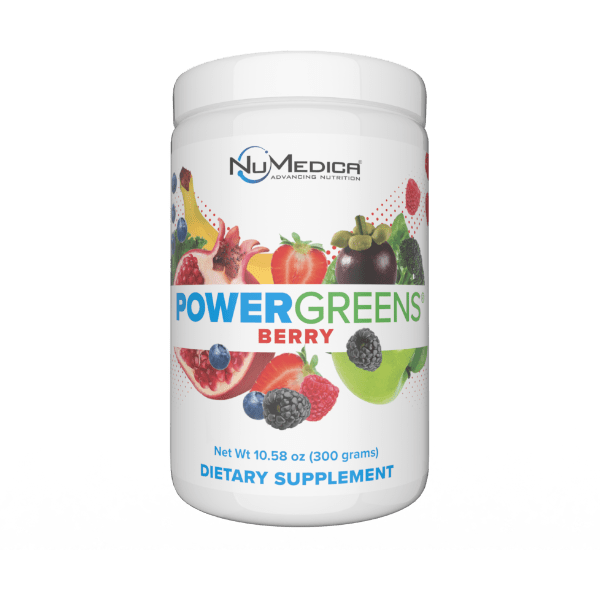
NuMedica Power Greens
Food-based greens for everyday nutritional coverage*
NuMedica Power Greens combines plant-based greens ingredients in a daily drink formula for phytonutrient intake and wellness-focused routines. Available in Berry and Chocolate flavors with 30 servings.*
Warning: Array to string conversion in /home/cdndelivery/public_html/php/show_project_brand_product.php on line 840
Array
-
Description*
Simple greens formula for easy daily use
NuMedica Power Greens is a powdered greens formula designed for individuals who want a straightforward way to add plant-based ingredients to their daily routine. It provides a blend of greens, phytonutrients, enzymes, and digestive components in an easy-to-mix format.
This type of product is typically chosen when meals do not consistently include a variety of greens. Rather than changing the structure of meals, it offers a simple way to add plant-based ingredients alongside an existing routine.
Three ways to approach greens routines
Greens products are typically used at different levels depending on how much variety or coverage is desired:
- Power Greens - A simple greens-focused formula
- Power Greens + Reds - Adds fruits and broader phytonutrient variety
- Power Greens Premium Berry - Adds vitamins and minerals for more complete coverage
These options reflect different priorities, from keeping things simple to building a more complete daily formula.
Quick way to choose
- Choose Power Greens if you want a simple, no-frills greens formula
- Choose Greens + Reds if you want more plant variety
- Choose Premium if you want greens plus broader nutrient coverage
Comparison
Power Greens Power Greens + Reds Power Greens Premium Berry Approach Greens-focused formula Greens + fruits and phytonutrients Greens + vitamins and minerals Routine focus Simple plant-based intake Expanded plant variety Broader daily coverage Includes fruit blend No Yes Limited Includes vitamins & minerals No Minimal Yes Complexity Lower Moderate Higher Best for Keeping a greens routine simple Adding variety All-in-one daily option Flavor options
Power Greens is available in Berry and Chocolate flavors, with the same base formulation across both options. Flavor selection is based on preference.
- Berry
- Chocolate
How it is typically used
Power Greens is typically mixed with water or added to smoothies once daily. It is most often used as an add-on to an existing routine rather than as a central or standalone product.
Because of its simplicity, it can be used alongside other supplements depending on how a routine is structured.
Who this is typically considered for
- Looking for a simple greens formula
- Wanting to add plant-based ingredients without added complexity
- Preferring a flexible, easy-to-maintain routine
- Using greens as an add-on rather than a complete solution
What this is not designed to replace
This product is not a substitute for whole foods or a balanced diet. It is best understood as a simple addition to a daily routine.
A simple starting point for greens
Power Greens provides an easy way to incorporate greens into daily life without expanding into more complex formulas. It works as a straightforward entry point or as a long-term, low-maintenance addition.
-
Features*
-
Directions
Product ServingSize NumberServings Power Greens (All Flavors) 1 Scoop (10 g) 30 Directions: Add one scoop (10 grams) to 8 ounces of chilled water and stir. Take once per day or as directed by your healthcare practitioner. After opening, keep refrigerated for maximum freshness. To increase sweetness, use less water. To decrease sweetness, add more water.
CONTENTS SOLD BY WEIGHT NOT VOLUME. Some settling may occur during shipping and handling. The amount of product contained in one scoop may be above or below the gram amount per serving on the label due to variations in handling and product density.
-
Ingredients
Nutrient/Ingredient Amount % Daily ValueDV 1 Calories Calories
When people talk about the calories in food, what do they mean? A calorie is a unit of measurement—but it doesn't measure weight or length. A calorie is a unit of energy. When you hear something contains 100 calories, it's a way of describing how much energy your body could get from eating or drinking it.
KidsHealth from Nemours, https://kidshealth.org/en/kids/calorie.html
45 One Scoop (10 g) Contains:
Total Fat Total Fat
This number on a food label indicates how much fat is in a single serving of a food. Limit total fat to less than 25% to 35% percent of the calories you consume each day. All fats have 9 calories per gram.
WebMD, https://www.webmd.com/food-recipes/definitions-glossary
1 g Total Carbohydrate Total Carbohydrate
This number on a food label indicates how many grams of carbohydrates are in a single serving of a food.
WebMD, https://www.webmd.com/food-recipes/definitions-glossary
6 g Dietary Fiber Dietary Fiber
Dietary Fiber supports digestive regularity, gut microbiome balance, and healthy blood sugar and cholesterol levels.
1 g Total Sugars Total Sugars
This section of the nutrition label lists added and natural sugars separately. Added sugars include sucrose, glucose, fructose, and corn and maple syrups. Natural sugars include lactose in milk and fructose in fruit. If you are concerned about your intake of sugar, be sure added sugars are not one of the first few items in a food's ingredients list.
WebMD, https://www.webmd.com/food-recipes/definitions-glossary
2 g Protein Protein
Protein provides essential amino acids to support muscle repair, immune health, and overall metabolic function.
2 g Vitamin C (ascorbic acid) Vitamin C
Vitamin C is a powerful antioxidant that supports immune health, collagen synthesis, and iron absorption.
90 mg Iron Iron
Iron is a vital mineral for oxygen transport, energy production, and red blood cell formation. Essential for preventing fatigue and anemia.
2.9 mg Sodium Sodium
While sodium (commonly called salt) is vital for healthy nerves and muscles, most of us get too much salt in our diet, often from processed foods. Read food labels to help keep your sodium intake to 2,300 milligrams a day or less. Persons 51 and older, African Americans, or people who have hypertension, diabetes or chronic kidney disease should limit sodium to 1500 milligrams daily.
WebMD, https://www.webmd.com/food-recipes/definitions-glossary
25 mg Fiber & Digestive Support Blend* Whole Oat Bran certified organic, Soy Lecithin (non-GMO, certified organic), Apple (Malus pumila) (fruit) powder, Barley (sprouted seeds), Cassia (Cinnamomum aromaticum) (bark) certified organic powder, Bromelain complex, Papain complex, Protease complex, Amylase complex, Lipase complex, Cellulase complex, Lactase complex, Licorice (Glycyrrhiza glabra) (root) extract. 3.58 g Antioxidant Blend* Barley (Hordeum vulgare) (grass) certified organic powder, Spirulina (Spirulina platensis) certified organic, Chlorella (Chlorella vulgaris) (cracked cell wall) powder, Ionic Trace Minerals with Alfalfa. 1.81 g Vegetable Blend Carrot (Daucus carota) (root) certified organic powder, Broccoli (Brassica oleracea var. italica) (herb) certified organic powder, Cauliflower (Brassica oleracea var. botrytis) certified organic powder, Spinach (Spinacia oleracea) (leaf) certified organic powder, Parsley (Petroselinum crispum) (herb) certified organic powder. 1.80 g Proprietary Antioxidant Blend* Pomegranate (Punica granatum) (fruit) extract, Strawberry (Fragaria vesca) (fruit) powder, Raspberry (Rubus idaeus) (fruit) powder, Grape (Vitis vinifera) (fruit) (red wine) extract, Quercetin Dihydrate, Green Tea (leaf) extract, Japanese Knotweed (Polygonum cuspidatum) (root) extract, Milk Thistle (Silybum marianum) (seed) extract, Aloe Vera (leaf) certified organic powder, Turmeric (Curcuma longa) (rhizome) extract, Blueberry (Vaccinium angustifolium) (leaf) extract, Acerola Cherry (Malpighia glabra) (fruit) powder, Grape (Vitis vinifera) (seed) extract, Beet (Beta vulgaris) (root) certified organic powder, Noni (Morinda citrifolia) (fruit) powder, Lycium (Lycium barbarum) (fruit) powder, Mangosteen (Garcinia mangostana) (fruit) powder, Cabbage Palm (Euterpe oleracea) (fruit) powder, Kelp (Laminaria digitata) certified organic powder, Vitis labrusca (Concord Grape) (fruit) powder. 1.64 g Proprietary Fruit & Vegetable Oxi Blend Green Tea (Camellia sinensis) (leaf) extract, Quercetin (from (Japanese sophora) (flower) extract), Tomato (Lycopersicon esculentum) (fruit), Spinach (Spinacia oleracea) (leaf), Resveratrol (from Japanese Knotweed (Polygonum cuspidatum) (root) extract), Collards (Brassica oleracea var. acephala) (Kale) (leaf), Carrot (Daucus carota ssp. sativus) (root), Broccoli (Brassica oleracea var. italica) (whole head), Pomegranate (Punica granatum) (arils), Cranberry (Vaccinium macrocarpon) (fruit), Blueberry (Vaccinium corymbosum) (fruit) extract, Strawberry (Fragaria ananassa) (fruit), Raspberry (Rubus idaeus) (fruit), Blueberry (Vaccinium corymbosum) (fruit), Natural Blueberry Flavor. 180 mg Probiotic Blend Lactobacillus acidophilus complex, Bifidobacterium longum complex, Lactobacillus casei complex, Lactobacillus rhamnosus complex. 180 mg 1 The % Daily Value tells you how much a nutrient in a serving of food contributes to a daily diet. 2,000 calories a day is used for general nutrition advise. -
Questions*
 Questions
If you have a question not answered on this page, please consider submitting it in the Product Questions or Feedback section in the Discussion Forum below.
 How is Power Greens different from Power Greens + Reds?
Power Greens focuses on greens and plant-based ingredients only, while Power Greens + Reds adds a broader range of fruits and phytonutrients for more variety.
How is it different from Power Greens Premium Berry?
Power Greens is a simpler formula without added vitamins and minerals, while Power Greens Premium Berry includes a broader range of nutrients in a more complete formula.
Is this meant to replace fruits and vegetables?
No. This product is typically used to complement everyday eating patterns, not replace whole foods.
When would someone choose this over the other options?
It is often chosen when simplicity and flexibility are the priority, especially for those who want a straightforward greens routine without added complexity.
Can this be used with other products?
Yes. Because of its simple formulation, it is often used alongside other products depending on how a routine is structured.
-
Related Content*
Additional Resources
We encourage you to take advantage of these related Wellness Resources on our website.
 9 Ways to Naturally Detox and Cleanse Your Body
The concept of a cleanse or detox can be a scary one for someone who's never done it before. Though most people think of stringent exercise routines and bland, boring soup diets, this is no longer the case. There are many ways to detoxify the body naturally and easily, bringing revitalization and healing. In this guide, you'll learn 9 ways to perform a natural body detox.
A Century of EatingOver the past hundred years, everyday eating has shifted from meals prepared at home with recognizable ingredients to patterns shaped by industrial production, convenience, and constant availability. Food is now easier to access than ever, but is often further removed from traditional preparation, while nutrition advice has gone through cycles of restriction, standardization, and shifting priorities. Looking at this history helps explain why some eating patterns support steady energy and consistency, while others make daily routines feel less stable.
Adding Superfoods to Your DietWe have all heard of the term superfoods. But what does it mean? What are these foods that supposedly have numerous health benefits? How much of these foods should we be eating, and are they beneficial?
An Overview of Probiotics and PrebioticsLet's take a quick peek at probiotics and prebiotics, how they protect your gut microbiome, and why you should add them to your diet.
Fuel Your Body Right: A Guide to Managing Blood SugarOne of the fundamental keys to developing optimal vitality lies in effectively controlling blood sugar levels. The impact of balanced blood sugar goes beyond energy levels and influences mood, concentration, and long-term health outcomes. Blood sugar control can be influenced by the combined effects of thermogenic fat burning, low glycemic index fruits, complex carbohydrates, and intermittent fasting - an understanding that can enable a holistic approach to caring for your body and maintaining your well-being.
Going Vegan: Untold Health Benefits of a Vegan DietThe trend towards a vegan diet has been popular for years. Going vegan has numerous health benefits and presents an opportunity to learn more about nutrition and cooking. Want to learn more about how going vegan can help you improve your health and live longer? Keep on reading.
How to Improve Microbiome ImbalanceHow can you ensure you maintain a healthy gut? What daily lifestyle changes can you make to keep stomach upsets and digestive problems at bay? Try these tips and you should see improvements in your digestion in no time.
How to Improve Your Gut Health by Avoiding These 13 Toxic FoodsWe've all heard the phrase "You are what you eat," but there's more truth to it than you can ever imagine! Being aware of what you eat and avoiding toxic foods will improve your gastrointestinal health. Keep reading to learn which foods to avoid for a healthier, happier gut.
Investigating Low Carb Diet Meal Plans: Are Carbs the Real Culprit?Diets low in carbohydrates have become very faddy over the last few years. Whether it's keto diets or low carb diets, the marketing around this way of eating has been potent.
However, does cutting the carbs really help you with sustainable weight loss? Keep reading to learn more about low-carb diet meal plans.
Lifestyle Choices, Nutrition & Quality SupplementsThink back to the time of your great-grandparents. What types of food did people eat back then? For the most part they ate what they could grow on their land or what they got locally from a Farmer's market or some other community-based food supply. So what happened to our food? Why are so many of us sick, overweight and tired?
Shake Up Your LifestyleLooking for convenient, refreshing and healthy beverage options to quench your thirst and provide your body with the nutrients it needs for optimal performance?
Look no further. Try these NuMedica shake recipes that use whole natural foods in combination with their most popular professional wellness formulas.
Simple Tips for Proper HydrationGetting enough water has numerous health benefits including combating fatigue, loosing weight, and flushing toxins out of your body. Follow these east hydration tips and reap the benefits!
The Anti-Inflammatory Diet: Combating Chronic Inflammation with Nutrient-Rich FoodsInflammation is a natural process in the body that helps fight infection and heal injuries. However, chronic inflammation can lead to various health issues, including heart disease, diabetes, and arthritis. An anti-inflammatory diet, focusing on foods that reduce inflammation and oxidative stress, can significantly enhance your body's health. This blog post will explore how sustainable eating habits can support your body's healing processes and reduce inflammation.
Top Reasons to Avoid Diet Drinks - What the Research Actually ShowsMany people assume diet sodas are a smarter alternative to regular soft drinks, but growing research tells another story. Artificially sweetened beverages have been tied to higher risks of obesity, stroke, kidney decline, and cardiovascular problems. Even without sugar, their acidity can damage teeth and bone health, leaving you with concerns that go far beyond calories.
Webinar: Four Letter Word for F.O.O.D.Facilitator Libby Wright discusses the unhealthy types of food typically consumed in the S.A.D (Standard American Diet) with participants of the Your Best Weight online education program. She provides alternative food choices and recipes that are nutritious and taste great along with supplement recommendations including meal replacement protein shakes. The webinar last for 17 minutes and addresses questions submitted by the program participants.
What is a Probiotic and How Does it Affect Our Immune System Health?The term "probiotic" refers to bacteria that live within our bodies and perform beneficial functions. Research is focusing on how the bacteria that live within our bodies affects our health and our immune system.
Whole Foods Plant-Based (WFPB) DietHow many times have you jumped on-board the diet train with high hopes of weight loss and improved health, only to discover limited food choices, difficulty staying on-track, and few measurable health benefits? Diet fads come and go, but one - the whole foods, plant-based diet (WFPB)- isn't a fad.

Fatal error: Uncaught Error: Undefined constant "MEDIA_DIRECTORY" in /home/cdndelivery/public_html/includes/core.php:7324 Stack trace: #0 /home/cdndelivery/public_html/php/show_product_reviews.php(215): displayRatingStars('5', 'FA', '1X') #1 /home/cdndelivery/public_html/php/show_project_brand_product.php(1076): include_once('/home/cdndelive...') #2 /home/cdndelivery/public_html/product/index.php(13): require_once('/home/cdndelive...') #3 /home/cdndelivery/public_html/url-traffic-manager/index.php(201): include('/home/cdndelive...') #4 {main} thrown in /home/cdndelivery/public_html/includes/core.php on line 7324