 Trimbolic | FirstFitness Nutrition | Fat & Cellulite Fighter





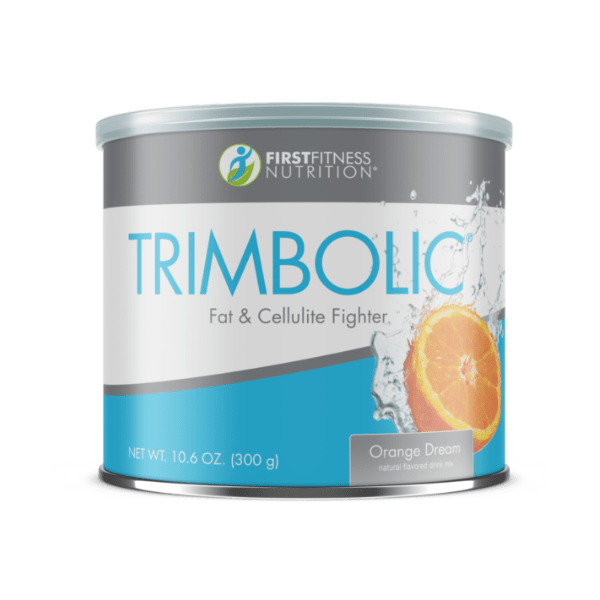
Trimbolic
30 Servings
by FirstFitness Nutrition
Retail Price: $38.95
Effective December 1, 2023 FirstFitness Nutrition (FFN) products must be purchased on our FFN Team Member website. Learn why.
 Purchase on FFN

FirstFitness Nutrition Trimbolic
Fat & Cellulite Fighter*
Contains dietary fibers and botanical extracts that help satisfy appetite, smooth cellulite, and support lean muscle tissue while losing weight.**
Warning: Array to string conversion in /home/cdndelivery/public_html/php/show_project_brand_product.php on line 840
Array
Warning: include_once(../includes/firstfitness-nutrition-vip-program.php): Failed to open stream: No such file or directory in /home/cdndelivery/public_html/php/show_project_brand_product.php on line 854
Warning: include_once(): Failed opening '../includes/firstfitness-nutrition-vip-program.php' for inclusion (include_path='.:/home/cdnmanagernet/private/') in /home/cdndelivery/public_html/php/show_project_brand_product.php on line 854
-
Description*
 Suddenly Slim Weight Loss Programs
 5:17
5:17
Losing weight is hard. It's often the case that even consumers who follow strict exercise regimes and eat healthy diets have trouble getting rid of stubborn fat. That's where products like Trimbolic Fat and Cellulite Fighter come in.
What Is It?
This all-natural dietary supplement from FirstFitness Nutrition is formulated from dietary fibers and plant extracts to support healthy weight loss. Just two servings of Trimbolic per day are enough for most consumers to increase the chances of meeting their weight loss goals.
How it Works
FirstFitness Nutrition's proprietary blend of dietary fiber, plant extracts, and nutrition products is designed to satisfy cravings, support muscle formation, and provide ongoing support during consumers' personal weight loss journeys. Some ingredients help to prevent the absorption of dietary fats in the stomach, while others support the maintenance of healthy blood sugar levels. Here are just a few of the things consumers can expect when they take Trimbolic:
- Decreased appetite and cravings
- Feeling full for longer
- Faster elimination of dietary fats
- Balanced cholesterol levels
- Support for connective tissues
- Reduced appearance of cellulite
- Preservation of lean muscle tissues
- Support for healthy weight loss
Benefits of Weight Loss Supplements
The fact that Trimbolic contains a variety of ingredients with different metabolic actions makes it more effective than dietary fiber or appetite suppressants alone. It contains only natural ingredients derived from healthy plants and botanical extracts, so consumers don't need to worry about the potentially dangerous side effects associated with pharmaceutical weight loss medications and procedures. This weight loss supplement also contains numerous beneficial vitamins and minerals, including dietary fiber, vitamins A, B6, and C, and more.
Despite being packed with nutritious ingredients, this FirstFitness Nutrition supplement contains only 30 calories per serving. That's good news for those who experience frequent hunger and cravings for unhealthy foods, since it means Trimbolic can be used as a healthy snack replacement any time it's needed.
Potential Dangers of Traditional Diet Pills
Weight loss drugs can be dangerous, especially if they are stimulant-type drugs. Stimulant-type weight loss drugs can leave consumers struggling with insomnia, restlessness, increased blood pressure and heart rate, and dangerous drug dependencies. They also pose a potential for drug abuse, and many consumers wind up suffering from withdrawals when they try to stop. All-natural dietary supplements don't pose the same risks.
Not all prescription weight loss drugs are stimulant-type medications. Others are designed to interfere with fat absorption, but the strength of these drugs in comparison to natural supplements can lead to digestive problems like gas, diarrhea, and oily spotting. Prescription drugs designed to curb appetite affect neurotransmitters in the brain, which can lead to complications like headaches, nausea, vomiting, dizziness, dry mouth, and others.
Since Trimbolic is composed exclusively of all-natural ingredients, it's safer than prescription diet pills. Instead of using mind-altering drugs, it features botanical extracts and herbs chosen to produce serious results without serious side effects.
How to Take Trimbolic
Trimbolic comes packaged as a dried powder, so it needs to be rehydrated before consumption. Preparing Trimbolic is easy, though. Just add one level scoop of the powder to 10 ounces of chilled water and drink it.
Consumers who are still in the process of meeting their personal weight loss goals should use the product twice daily, ideally around 20 minutes before lunch and dinner. It can also be used to replace unhealthy afternoon snacks and can be consumed anytime dieters are hungry. Once they've met their weight loss goals, most consumers continue to take Trimbolic once per day to help them maintain their results.
Tips for Maximizing Chances of Success
Consumers who are serious about meeting their weight loss goals should continue to eat a healthy diet and get plenty of exercise while taking Trimbolic. This product is most effective when used alongside a comprehensive Suddenly Slim Weight Loss Program. Since every person's dietary preferences and nutritional needs are a little different, it's best for each consumer to choose the auxiliary products that best meet his or her needs. FirstFitness Nutrition offers plenty of diet support products that can help.
The Bottom Line
Losing weight the healthy way doesn't have to be hard. With dietary support products from FirstFitness Nutrition, consumers can get all the help they need with controlling their appetites, reducing the absorption of dietary fats, and increasing muscle mass while simultaneously shedding unwanted extra weight. Trimbolic is safe to take multiple times per day. It's affordable, effective, and, even better, it tastes great, so place an order today.
-
Features*
- Helps satisfy the appetite*
- Supports lean muscle tissue*
- Stimulant-free*
-
Directions
Product ServingSize NumberServings Directions Trimbolic 1 Level Scoop (10 Grams) 30 Shake or briskly stir 1 level scoop (10 grams) of Trimbolic into 10 oz. of chilled water. Drink immediately. Use twice daily, 20 minutes before lunch and dinner. Trimbolic can also be used as a snack anytime you are hungry. Use once per day after achieving weight goal. -
Ingredients
Nutrient/Ingredient Amount % Daily ValueDV 1 1 Level Scoop (8 Grams) Contains:
Calories Calories
When people talk about the calories in food, what do they mean? A calorie is a unit of measurement—but it doesn't measure weight or length. A calorie is a unit of energy. When you hear something contains 100 calories, it's a way of describing how much energy your body could get from eating or drinking it.
KidsHealth from Nemours, https://kidshealth.org/en/kids/calorie.html
20 Total Fat Total Fat
This number on a food label indicates how much fat is in a single serving of a food. Limit total fat to less than 25% to 35% percent of the calories you consume each day. All fats have 9 calories per gram.
WebMD, https://www.webmd.com/food-recipes/definitions-glossary
0 g Saturated Fat Saturated Fat
Usually solid at room temperature, saturated fats are found in animal products such as meat and milk, as well as in coconut and palm oil. Saturated fat is often used in foods to prevent rancidity and off flavors. No more than 5% to 10% of your total daily calories should come from saturated fat.
WebMD, https://www.webmd.com/food-recipes/definitions-glossary
0 g Trans Fat Trans Fat
Trans fats are created when liquid fats such as vegetable oil are hydrogenated into more solid fats, such as margarine and shortening. Trans fats are linked with high LDL cholesterol, which can increase your risk of heart disease. Keep intake of trans fats as low as possible.
WebMD, https://www.webmd.com/food-recipes/definitions-glossary
0 g Sodium Sodium
While sodium (commonly called salt) is vital for healthy nerves and muscles, most of us get too much salt in our diet, often from processed foods. Read food labels to help keep your sodium intake to 2,300 milligrams a day or less. Persons 51 and older, African Americans, or people who have hypertension, diabetes or chronic kidney disease should limit sodium to 1500 milligrams daily.
WebMD, https://www.webmd.com/food-recipes/definitions-glossary
5 mg Total Carbohydrate Total Carbohydrate
This number on a food label indicates how many grams of carbohydrates are in a single serving of a food.
WebMD, https://www.webmd.com/food-recipes/definitions-glossary
7 g 2% Dietary Fiber Dietary Fiber
Dietary Fiber supports digestive regularity, gut microbiome balance, and healthy blood sugar and cholesterol levels.
5 g 20% Total Sugars Total Sugars
This section of the nutrition label lists added and natural sugars separately. Added sugars include sucrose, glucose, fructose, and corn and maple syrups. Natural sugars include lactose in milk and fructose in fruit. If you are concerned about your intake of sugar, be sure added sugars are not one of the first few items in a food's ingredients list.
WebMD, https://www.webmd.com/food-recipes/definitions-glossary
0 g Added Sugars Added Sugars
Added sugars include sugars that are added during the processing of foods (such as sucrose or dextrose), foods packaged as sweeteners (such as table sugar), sugars from syrups and honey, and sugars from concentrated fruit or vegetable juices. They do not include naturally occurring sugars that are found in milk, fruits, and vegetables. The Daily Value for added sugars is 50 grams per day based on a 2,000 calorie daily diet.
For most Americans, the main sources of added sugars are sugar-sweetened beverages, baked goods, desserts, and sweets.
US Food & Drug Administration, https://www.fda.gov/food/new-nutrition-facts-label/added-sugars-new-nutrition-facts-label
0 g Protein Protein
Protein provides essential amino acids to support muscle repair, immune health, and overall metabolic function.
0 g 0% Potassium Potassium
Potassium is an essential mineral that supports fluid balance, muscle contraction, and nerve transmission.
200 mg 4% Vitamin A Vitamin A
Vitamin A supports vision, immune health, and the maintenance of healthy skin and mucous membranes.
180 mcg 20% Vitamin C Vitamin C
Vitamin C is a powerful antioxidant that supports immune health, collagen synthesis, and iron absorption.
9 mg 10% Thiamin Thiamin
Thiamin (Vitamin B1) supports energy metabolism, nerve function, and glucose utilization.
0.1 mg 10% Riboflavin Riboflavin
Riboflavin (Vitamin B2) supports energy metabolism, red blood cell formation, and antioxidant protection.
0.1 mg 10% Niacin Niacin
Niacin (Vitamin B3) supports energy metabolism, cardiovascular health, and healthy lipid levels.
1.6 mg 10% Vitamin B6 Vitamin B6
Vitamin B6 supports amino acid metabolism, cognitive development, and immune function.
0.2 mg 10% Pantothenic Acid Pantothenic Acid
Pantothenic Acid (Vitamin B5) supports adrenal function, energy metabolism, and synthesis of coenzyme A.
0.5 mg 10% Chromium Chromium
Chromium is a trace mineral that plays a role in carbohydrate metabolism and helps maintain healthy blood sugar levels by improving insulin sensitivity.
3.5 mcg 10% 1 The % Daily Value tells you how much a nutrient in a serving of food contributes to a daily diet. 2,000 calories a day is used for general nutrition advise.
Fatal error: Uncaught Error: Undefined constant "MEDIA_DIRECTORY" in /home/cdndelivery/public_html/includes/core.php:7324 Stack trace: #0 /home/cdndelivery/public_html/php/show_product_reviews.php(215): displayRatingStars('5', 'FA', '1X') #1 /home/cdndelivery/public_html/php/show_project_brand_product.php(1076): include_once('/home/cdndelive...') #2 /home/cdndelivery/public_html/product/index.php(13): require_once('/home/cdndelive...') #3 /home/cdndelivery/public_html/url-traffic-manager/index.php(201): include('/home/cdndelive...') #4 {main} thrown in /home/cdndelivery/public_html/includes/core.php on line 7324